

North and Central African States work towards universalization and effective implementation of the Biological Weapons Convention
The workshops were also attended by representatives of three members of the Global Partnership, namely Canada, the United States, and France. Subject-matter experts from the Group of Experts/Security Council Committee established pursuant to United Nations Security Council resolution 1540 (2004), the United Nations Interregional Crime and Justice Research Institute, the United Nations Office of Counterterrorism, the United Nations Regional Centre for Peace and Disarmament in Africa, and the Africa Centres for Disease Control and Prevention also provided their views on challenges related to BWC implementation, including the link between the Convention and other international instruments and regional activities and initiatives.
During both workshops, delegates discussed regional and national approaches to implementation of the BWC, shared relevant experiences, challenges and good practices and worked closely with UNODA staff to identify needs and priorities and discuss synergies with existing avenues of technical assistance and capacity building support.
In opening remarks to workshop participants in Rabat, Mr. Sylvain Fanielle, Legal Officer and Project Coordinator, UNODA, Geneva Branch, underlined that “the United Nations Office for Disarmament Affairs was now, through the Global Partnership Project, in a unique position to be able to provide tailor-made support to all African States interested in joining or strengthening their implementation of the Biological Weapons Convention,” further emphasizing that “regional approaches to security and disarmament issues enabled States to work collaboratively to identify needs and priorities and share best practices and lessons learned”.
“It goes without saying,” emphasized Dr. Abdelkrim Meziane Belfqih, Secretary General of the Ministry of Health and Social Protection of the Kingdom of Morocco, “that the Biological Weapons Convention is an essential tool in the framework of international efforts to support peace and security”. Dr. Belfqih further highlighted the need to support international efforts to strengthen the Convention in the face of ongoing threats and challenges.
The workshops were organized in the context of the four-year project "Supporting the Universalization and Effective Implementation of the Biological Weapons Convention in Africa," funded by the Global Partnership against the Spread of Weapons and Materials of Mass Destruction. UNODA will continue to build on the momentum generated during these workshops to support States’ efforts to strengthen national and regional implementation of the BWC.
Additional information on the Biological Weapons Convention is available here.
Questions may be directed to bwc@un.org.
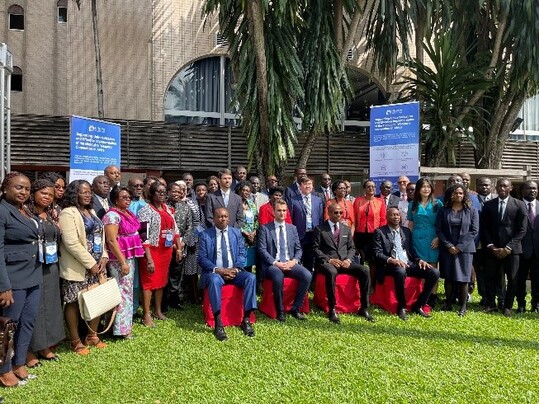
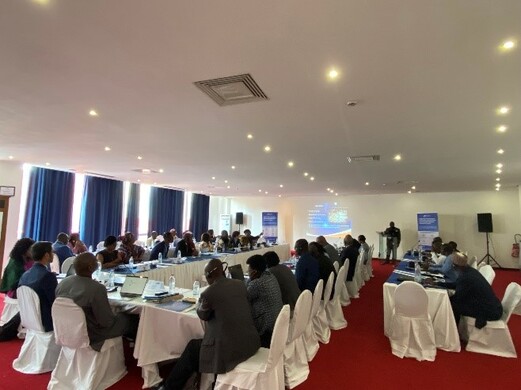
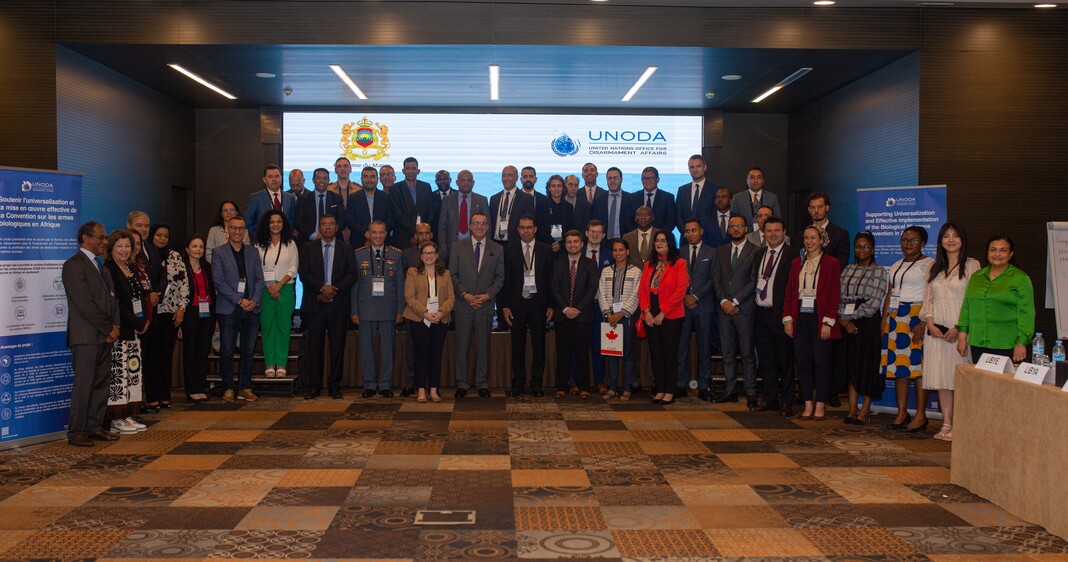
From 24 to 26 May and 13 to 15 June 2023, the United Nations Office for Disarmament Affairs (UNODA) held two regional workshops on the universalization and effective implementation of the Biological Weapons Convention (BWC) for Central and North African States, in Douala, Cameroon and Rabat, Morocco, respectively.
Sixty-one delegates from six Central African States, including five States Parties (Burundi, Cameroon, the Central African Republic, the Democratic Republic of the Congo and Sao Tome and Principe) and one State not party (Chad) attended the May workshop organized in collaboration with the Government of Cameroon. While 52 participants from four North African States Parties (Libya, Mauritania, Morocco, and Tunisia) and one observer State not party (Comoros) attended the June workshop organized in collaboration with the Government of the Kingdom of Morocco.
North and Central African States work towards universalization and effective implementation of the Biological Weapons Convention
From 24 to 26 May and 13 to 15 June 2023, the United Nations Office for Disarmament Affairs (UNODA) held two regional workshops on the universalization and effective implementation of the Biological Weapons Convention (BWC) for Central and North African States, in Douala, Cameroon and Rabat, Morocco, respectively.
Sixty-one delegates from six Central African States, including five States Parties (Burundi, Cameroon, the Central African Republic, the Democratic Republic of the Congo and Sao Tome and Principe) and one State not party (Chad) attended the May workshop organized in collaboration with the Government of Cameroon. While 52 participants from four North African States Parties (Libya, Mauritania, Morocco, and Tunisia) and one observer State not party (Comoros) attended the June workshop organized in collaboration with the Government of the Kingdom of Morocco.
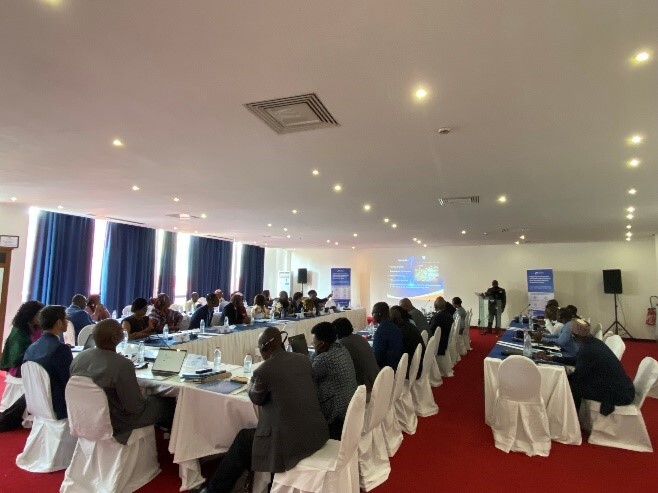
The workshops were also attended by representatives of three members of the Global Partnership, namely Canada, the United States, and France. Subject-matter experts from the Group of Experts/Security Council Committee established pursuant to United Nations Security Council resolution 1540 (2004), the United Nations Interregional Crime and Justice Research Institute, the United Nations Office of Counterterrorism, the United Nations Regional Centre for Peace and Disarmament in Africa, and the Africa Centres for Disease Control and Prevention also provided their views on challenges related to BWC implementation, including the link between the Convention and other international instruments and regional activities and initiatives. During both workshops, delegates discussed regional and national approaches to implementation of the BWC, shared relevant experiences, challenges and good practices and worked closely with UNODA staff to identify needs and priorities and discuss synergies with existing avenues of technical assistance and capacity building support.
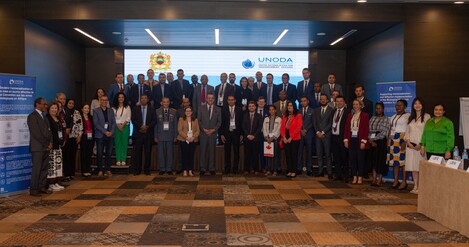
In opening remarks to workshop participants in Rabat, Mr. Sylvain Fanielle, Legal Officer and Project Coordinator, UNODA, Geneva Branch, underlined that “the United Nations Office for Disarmament Affairs was now, through the Global Partnership Project, in a unique position to be able to provide tailor-made support to all African States interested in joining or strengthening their implementation of the Biological Weapons Convention,” further emphasizing that “regional approaches to security and disarmament issues enabled States to work collaboratively to identify needs and priorities and share best practices and lessons learned”.
“It goes without saying,” emphasized Dr. Abdelkrim Meziane Belfqih, Secretary General of the Ministry of Health and Social Protection of the Kingdom of Morocco, “that the Biological Weapons Convention is an essential tool in the framework of international efforts to support peace and security”. Dr. Belfqih further highlighted the need to support international efforts to strengthen the Convention in the face of ongoing threats and challenges.
The workshops were organized in the context of the four-year project “Supporting the Universalization and Effective Implementation of the Biological Weapons Convention in Africa” funded by the Global Partnership against the Spread of Weapons and Materials of Mass Destruction. UNODA will continue to build on the momentum generated during these workshops to support States’ efforts to strengthen national and regional implementation of the BWC.Additional information on the Biological Weapons Convention is available here.Questions may be directed to bwc@un.org.